
The Google EGM plugin (Elephant-Goldfish Model) is a free, open-source add-on that makes AI coding agents plan a feature and get that plan reviewed by fresh AI reviewers before any code is written. Google open-sourced it on 22 October 2026 under the Apache 2.0 licence. It works with Claude Code, Codex and Google’s Antigravity.
If your team or agency in India now ships client work with AI coding agents, you have probably seen the downside: the agent writes a lot of code fast, but it builds on its own wrong assumptions. EGM tries to fix that by putting a reviewed design document in front of every feature.
Key takeaways
- EGM (Elephant-Goldfish Model) makes AI coding agents write a design plan and get it reviewed before writing code.
- Google open-sourced it on 22 October 2026 under the Apache 2.0 licence, so the plugin itself is free.
- It works with Claude Code, Codex and Google’s Antigravity.
- It uses your existing AI tool’s quota or API credits while it runs.
What is the Google EGM plugin?
EGM stands for Elephant-Goldfish Model. Google built it for its own engineers, and its open-source blog says thousands of Googlers use it daily to ship production code.
The idea is simple. One long-running AI session, the “elephant”, remembers the whole project and helps you design the feature. It is not allowed to write code. Then several brand-new sessions, the “goldfish”, read only the design document. Because they have no memory of your earlier chat, they don’t share its blind spots, so they are better at finding gaps.
The project’s README describes it in one line: design with an elephant, review with a goldfish.
Key features
- Brainstorm without code:
egm-brainstormlets you test an idea with the AI and saves a shortconcepts_brief.md. - Structured design doc:
egm-draftturns notes intodesign_draft.md— problem, technical plan, alternatives and a file-by-file implementation plan — pausing after each section for your input. - Five-stage fresh review:
egm-reviewsends the document to reviewers with no prior context. Google’s blog describes a comprehension check, skeptical reviewers hunting for edge cases and hidden dependencies, and a final go/no-go check on file paths, data structures and function signatures. - Resolve findings:
egm-resolvewalks through the review comments so you agree on what changes. - Docs for old projects:
egm-bootstrapcreates or updates documentation for an existing codebase. - Drift report:
egm-drift-reportcompares your checked-in design docs with the current code. - Refuses to fake a review: if your agent cannot start truly fresh sub-agents, EGM stops instead of “reviewing” inside the same session.
Price and availability in India
| Item | Price | Notes |
|---|---|---|
| EGM plugin | Free (Apache 2.0) | Open source on GitHub; no India restriction mentioned |
| AI usage while running it | Your existing plan | Runs inside Claude Code, Codex or Antigravity, so it uses that tool’s quota or API credits |
Google has not published any separate pricing for EGM. Keep in mind that the review step starts several AI reviewers, so one review uses noticeably more of your plan’s quota than a normal chat.
The README also notes it is “not an officially supported Google product”, so treat it as a free tool from Google engineers rather than a paid Google Cloud service with support.
How Indian businesses can use it
Web and app agencies
Agencies building client portals or e-commerce sites can run every new feature through egm-draft and egm-review before coding. The reviewed design doc doubles as a clear document you can share with the client for sign-off.
Freelance developers
Solo developers don’t have a teammate to review their plan. The goldfish reviewers act like a strict second pair of eyes, catching missing edge cases — for example failed UPI payments or duplicate orders — before they become bugs.
Startups with small tech teams
Early-stage teams often lose track of why something was built a certain way. With egm-bootstrap and egm-drift-report, your design docs stay close to the real code, which helps when a new developer joins.
How to try it
- Make sure you already use Claude Code, Codex CLI, the ChatGPT/Codex desktop app or Antigravity.
- In Claude Code, run
claude plugin marketplace add google/elephant-goldfish-model, thenclaude plugin install egm@egm. - In Codex CLI, run
codex plugin marketplace add google/elephant-goldfish-model, thencodex plugin add egm@egm. In the desktop app, install the published EGM plugin from the plugin listing. - Start a new session after installing.
- Run the brainstorm command with your feature idea, then draft, then review the draft (for example
egm-review design_draft.md). In Claude Code and Antigravity the EGM commands use the/egm:prefix; in Codex you pick the matching EGM skill from the skill picker. - Work through the findings with the resolve step, get a human to read the final doc, and only then ask the agent to write code.
Try this prompt
Use this with the EGM brainstorm command to start a design for a typical Indian small-business feature:
I run a small online clothing store in India built on WooCommerce.
I want to add "Cash on Delivery confirmation on WhatsApp": after a COD order,
the customer gets a WhatsApp message and must reply YES within 2 hours,
otherwise the order is cancelled automatically.
Help me brainstorm this feature. Ask me questions about edge cases
(no reply, wrong number, partial payment, festive-sale traffic),
and do not write any code yet.
More ready-to-copy prompts: free AI prompt library.
Alternatives
- Plan mode in Claude Code or Codex: built-in planning before coding, but the same session reviews its own plan.
- Human design reviews in a pull request: still the gold standard; EGM is meant to prepare a better document for this step, not replace it.
- Spec-driven templates (a simple design-doc template in your repo): free and tool-agnostic, but without automatic fresh-eyes review.
Related guides on Cracckk
- How to use Claude Code to automate development – step-by-step for small dev teams
- Claude Fable 5.2 explained – price, features and plans for Indian users
- LangChain’s $3B valuation – what it means for Indian developers
- What is an AI agent? – a simple guide for business owners
Start here for the full picture: our AI for Small Business in India guide.
FAQ
Is the Google EGM plugin free?
Yes. The plugin itself is free and open source under Apache 2.0. You only pay for the AI tool it runs in, such as your Claude, ChatGPT or Antigravity plan.
Does EGM work with Claude Code?
Yes. The official README gives install commands for Claude Code, Codex CLI, the ChatGPT/Codex desktop app and Google’s Antigravity.
Can I use EGM in India?
Yes. It is a public GitHub project with no country restriction mentioned. It works wherever your AI coding tool works.
Does EGM replace testing or code review?
No. The README says review does not replace tests or human judgment. It improves the design before coding so there are fewer surprises later.
Sources
- Google Open Source Blog — Introducing the Elephant-Goldfish Model plugin (22 Oct 2026)
- EGM on GitHub — README and install instructions
- Help Net Security — Google open-sources the Elephant-Goldfish Model plugin
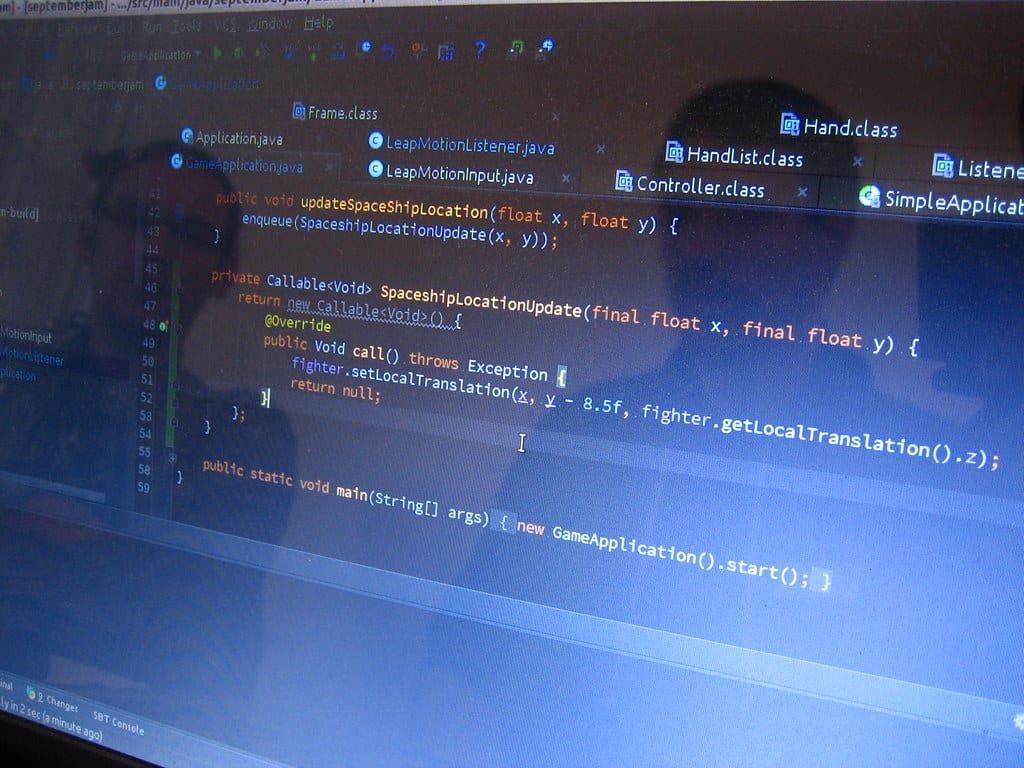
Featured image: Programmers Reflection on Screen Showing Code by qubodup, licensed CC BY 2.0 (via Openverse).